Other Conditions — Urologist in Newmarket
Dr. Jerome Green MD, FRCSC — Urologic Surgeon
Hematuria (Blood in the Urine)
Blood in the urine — whether visible (gross hematuria) or detected on urinalysis (microscopic hematuria) — always warrants a thorough urological evaluation. While many causes are benign, hematuria can be the first sign of a urological malignancy, making prompt investigation essential.
Dr. Green's hematuria workup is tailored to each individual patient depending on age and risk factors. The investigations can include a cystoscopy (direct visualization of the bladder), upper tract imaging (CT urogram or ultrasound), and urine cytology where indicated. Common benign causes include kidney stones, urinary tract infections, and benign prostatic hyperplasia; however, bladder cancer, kidney cancer, and urothelial carcinoma must be excluded in all cases of unexplained hematuria.
Scrotal Disorders & Abnormalities
Scrotal conditions encompass a broad spectrum of diagnoses requiring careful clinical evaluation. Dr. Green assesses and manages varicocele (dilated veins within the scrotum, which can impair fertility and cause discomfort), hydrocele (fluid accumulation around the testicle), epididymal cysts, and chronic scrotal pain syndrome.
Scrotal pain evaluation includes a focused history, physical examination, and scrotal ultrasound to characterize the anatomy and rule out testicular malignancy. Treatment ranges from conservative observation, pain modulating medications, or surgery depending on the diagnosis and symptom severity. Any rapidly enlarging scrotal mass is treated as urgent and expedited for assessment.
Adult Phimosis (Foreskin Issues)
Phimosis is the inability to retract the foreskin over the head of the penis. Phimosis can affect voiding, hygiene, sexual function and cause pain. In adults, it rarely is physiological (non-retractile since childhood). Most often, the phimosis is pathological where the foreskin has lost its elasticity from scarring (lichen sclerosis or balanitis xerotica obliterans) and requires treatment. The scarring occurs from poor hygiene, trauma, skin infections, and possibly some medications.
First-line treatment for phimosis is topical steroid cream applied to the tight foreskin over 8 weeks with active retraction every time one urinates. When topical therapy fails, surgical management is usually indicated to correct the phimosis (a circumcision or possibly a dorsal slit).
Contact Our Office
Appointments are by referral only. No walk-ins or online booking.
905-836-5561Fax: 905-853-7057
Monday–Friday, 8:00 AM – 4:00 PM
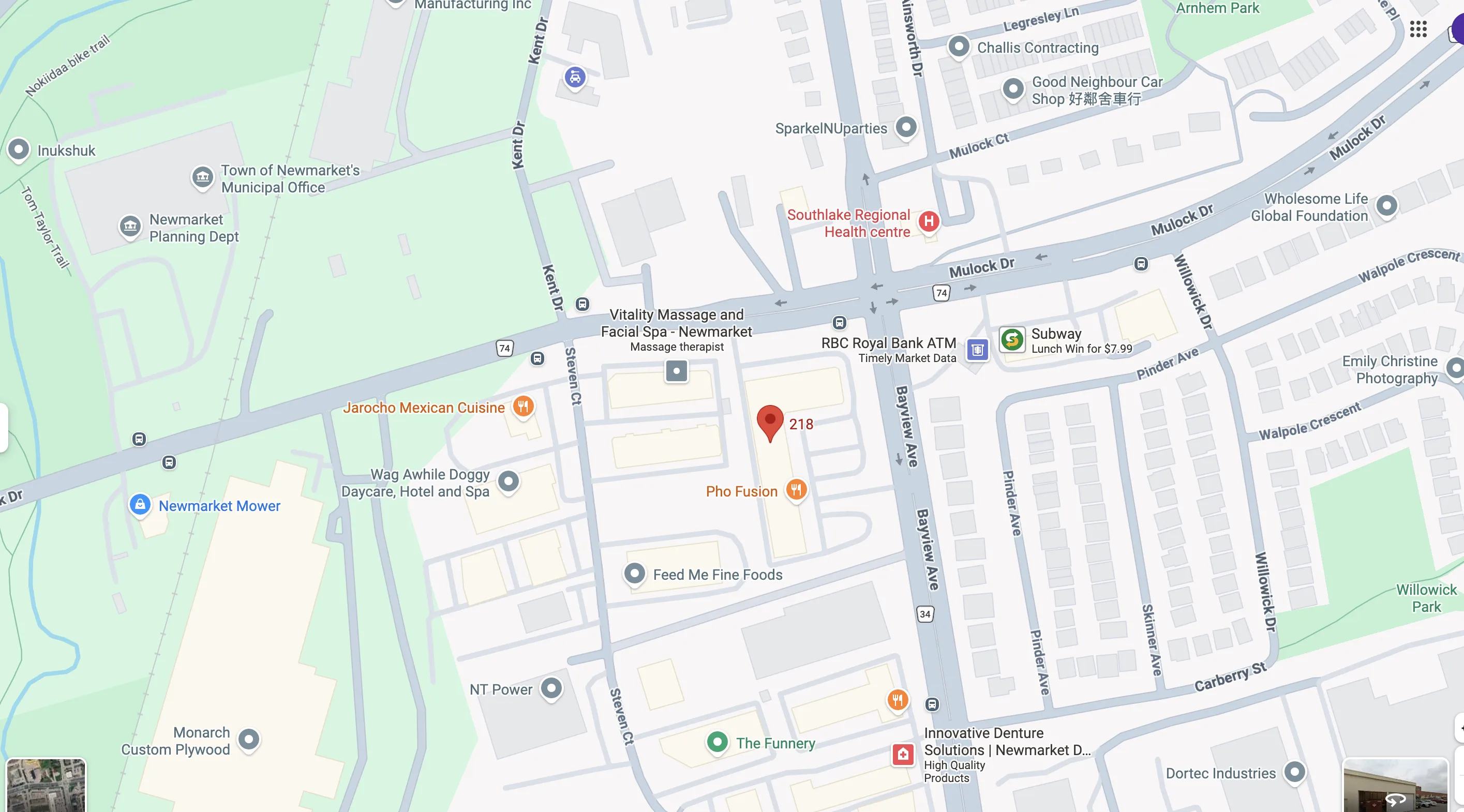
16700 Bayview Ave, Suite 218
Newmarket, Ontario L3X 1W1