Bladder Dysfunction — Overactive Bladder & Incontinence Treatment in Newmarket
Dr. Jerome Green MD, FRCSC — Urologic Surgeon
Overactive Bladder
Overactive bladder (OAB) is characterized by a sudden, uncontrollable urge to urinate, often accompanied by urinary frequency and nocturia. Many patients experience urge incontinence — involuntary leakage following a sudden urge. OAB affects millions of Canadians and can significantly impair quality of life, yet it remains underdiagnosed and undertreated.
Dr. Green offers the full spectrum of OAB therapies, including behavioral modifications, pelvic floor physiotherapy, oral medications, and interventional treatments including Botox. For overactive bladder, Botox bladder injections relaxes the bladder wall, providing 6-9 months of relief for patients who have not responded to OAB medications.
Female Bladder Conditions
Women experience bladder dysfunction due to pregnancy, childbirth, menopause, and pelvic floor changes. In addition to both underactive and overactive bladder conditions, stress urinary incontinence — leakage triggered by coughing, sneezing, or exercise — is one of the most common conditions treated in his urology practice. Dr. Green will assess each patient with thorough evaluations to guide management.
Dr. Green is an expert dealing with recurrent urinary tract infections (UTIs) by focusing on identifying the underlying cause. This often involves a comprehensive evaluation including a medical history, physical examination, urine cultures, bladder imaging and flow studies, and sometimes cystoscopy. Commonly used treatment strategies include lifestyle changes, changing of medications, non-antibiotic agents, preventative antibiotics, and vaginal estrogen therapy.
Male Bladder Conditions
In men, bladder dysfunction is often intertwined with prostate health. Benign prostatic hyperplasia (BPH) and other prostate conditions can obstruct urine flow, leading to urinary urgency, frequency, and incomplete bladder emptying. Overactive bladder in men may occur with or without bladder outlet obstruction (BPH), requiring careful clinical evaluation.
Post-prostatectomy incontinence is a specific concern for men who have undergone surgical treatment for prostate cancer. Dr. Green provides individualized rehabilitation and, where appropriate, surgical options including artificial urinary sphincter implantation and male sling procedures to restore continence and quality of life.
Urinary retention — the inability to fully empty the bladder — requires prompt evaluation and management. Dr. Green assesses both acute and chronic retention with bladder scanning, flow studies, and urodynamics, then develops a treatment plan ranging from medication adjustments to surgical intervention.
Pediatric Bladder & Bedwetting
Bladder dysfunction in children encompasses a range of conditions from daytime wetting and urgency incontinence to nocturnal enuresis (bedwetting) and recurrent urinary tract infections. These conditions can affect a child's self-esteem and social development, making early, supportive care important.
Dr. Green evaluates pediatric bladder dysfunction with age-appropriate assessments, addressing voiding habits, constipation, and bladder capacity. Treatment may include fluid and dietary management, bladder retraining, alarm therapy, and rarely medications. For comprehensive pediatric urological care, including more complex congenital conditions, see our Pediatric Urology page.
Interstitial Cystitis / Painful Bladder Syndrome (IC/PBS)
Interstitial cystitis (IC), also called painful bladder syndrome (PBS), is a chronic condition characterized by pelvic pain, urinary urgency, frequency, and discomfort with bladder filling or emptying — in the absence of infection. As an interstitial cystitis specialist serving York Region, Dr. Green understands the profound impact IC/PBS has on daily life and works collaboratively with patients to develop individualized management plans.
Multimodal therapy is the cornerstone of IC/PBS management. First-line approaches include dietary modification (avoiding bladder irritants), pelvic floor physiotherapy, oral medications, and bladder instillations. For refractory cases, cystoscopy with hydrodistension, low intensity shock wave therapy, neuromodulation and possibly Botox injections may provide significant relief.
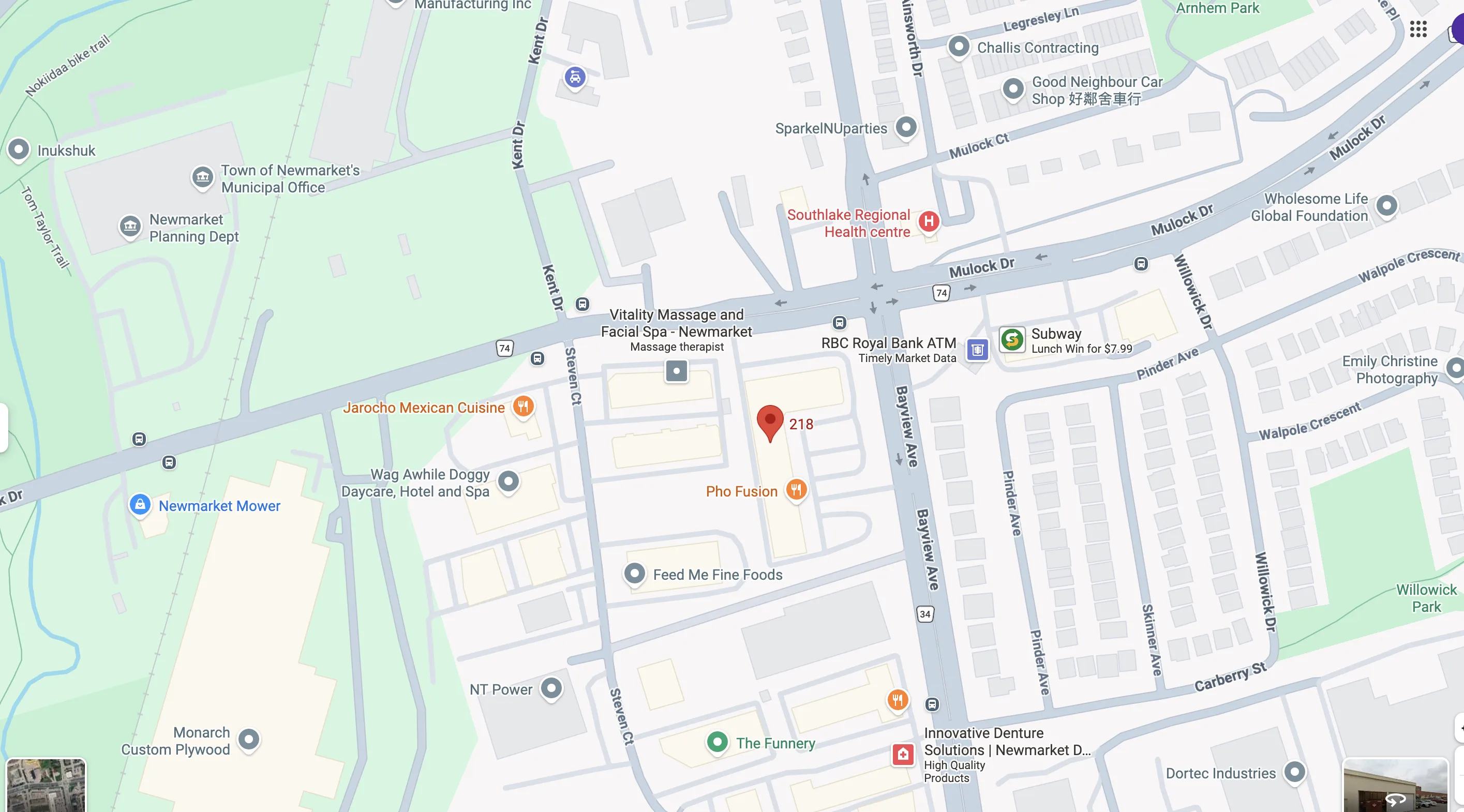
Contact Our Office
Appointments are by referral only. No walk-ins or online booking.
905-836-5561Fax: 905-853-7057
Monday–Friday, 8:00 AM – 4:00 PM
16700 Bayview Ave, Suite 218
Newmarket, Ontario L3X 1W1