Pediatric Urology — Children's Urological Care in Newmarket
Dr. Jerome Green MD, FRCSC — Urologic Surgeon
Bladder Dysfunction in Children
Bladder dysfunction is one of the most common reasons children are referred to a pediatric urology specialist. Conditions include nocturnal enuresis (bedwetting), daytime urinary incontinence, overactive bladder, and dysfunctional voiding. As a bedwetting specialist in Newmarket, Dr. Green approaches each child with age-appropriate assessments that consider voiding habits, fluid intake, constipation, and bladder capacity.
Treatment is tailored to the child's age, symptom pattern, and family goals. First-line options include fluid and dietary guidance, bladder retraining exercises, enuresis alarm therapy, and rarely medications. For more complex or persistent bladder dysfunction, urodynamic testing helps guide management. For adult bladder dysfunction, see our Bladder Dysfunction page.
Hernias
Inguinal hernias in children occur when a portion of the intestine or abdominal tissue protrudes through the inguinal canal — a natural passage near the groin that closes shortly after birth. In boys, this is often associated with a patent processus vaginalis, the same structure that can lead to a communicating hydrocele. Unlike adult hernias, pediatric inguinal hernias do not resolve on their own and carry a risk of incarceration (becoming trapped) and strangulation if left untreated.
Surgical hernia repair (herniotomy) is recommended for all pediatric inguinal hernias. Dr. Green performs this as a day-surgery procedure, typically through a small groin incision. Recovery is generally rapid, and most children return to normal activities within days. Dr. Green will advise families on timing, particularly in infants where the risk of incarceration is highest.
Hydroceles
A hydrocele is a collection of fluid surrounding the testicle within the scrotum, causing painless scrotal swelling. In newborns, hydroceles are common and are classified as communicating (connected to the abdominal cavity through a patent processus vaginalis) or non-communicating (fluid trapped without connection to the abdomen).
Non-communicating hydroceles in infants typically resolve spontaneously within the first 12 to 18 months of life and are managed with observation. Communicating hydroceles are less likely to resolve and are managed similarly to inguinal hernias with surgical correction. Hydroceles that persist beyond 18 months or that enlarge significantly are referred for operative repair. Dr. Green evaluates each child with ultrasound when the diagnosis is uncertain or when testicular pathology must be excluded.
Undescended Testicles
Cryptorchidism — the failure of one or both testicles to descend into the scrotum before birth — affects approximately 3% of full-term male newborns. While some undescended testicles descend spontaneously within the first 6 months of life, those that remain undescended by 6 months are unlikely to descend on their own and require urological evaluation.
Timely treatment is important: an undescended testicle that remains in the inguinal canal or abdomen is exposed to higher temperatures that impair sperm production and increase the long-term risk of testicular malignancy. Orchidopexy — the surgical procedure that brings the testicle into the scrotum and fixes it in position — is recommended between 6 and 18 months of age for best fertility and cancer-prevention outcomes. Dr. Green performs orchidopexy as a day-surgery procedure and monitors testicular growth and position at follow-up.
Phimosis (Foreskin Issues)
Phimosis is the inability to retract the foreskin over the head of the penis. In children, physiological phimosis is normal — the foreskin is naturally non-retractile in infancy and gradually becomes retractile over years. Pathological phimosis, by contrast, is caused by scarring of the foreskin (balanitis xerotica obliterans) and requires treatment.
First-line treatment for pathological phimosis is topical corticosteroid cream applied to the tight foreskin over 6 to 8 weeks. When topical therapy is insufficient, or when phimosis causes recurrent infections, ballooning, or voiding difficulties, circumcision provides a definitive cure. Dr. Green will guide families through all options, including if needed a circumcision.
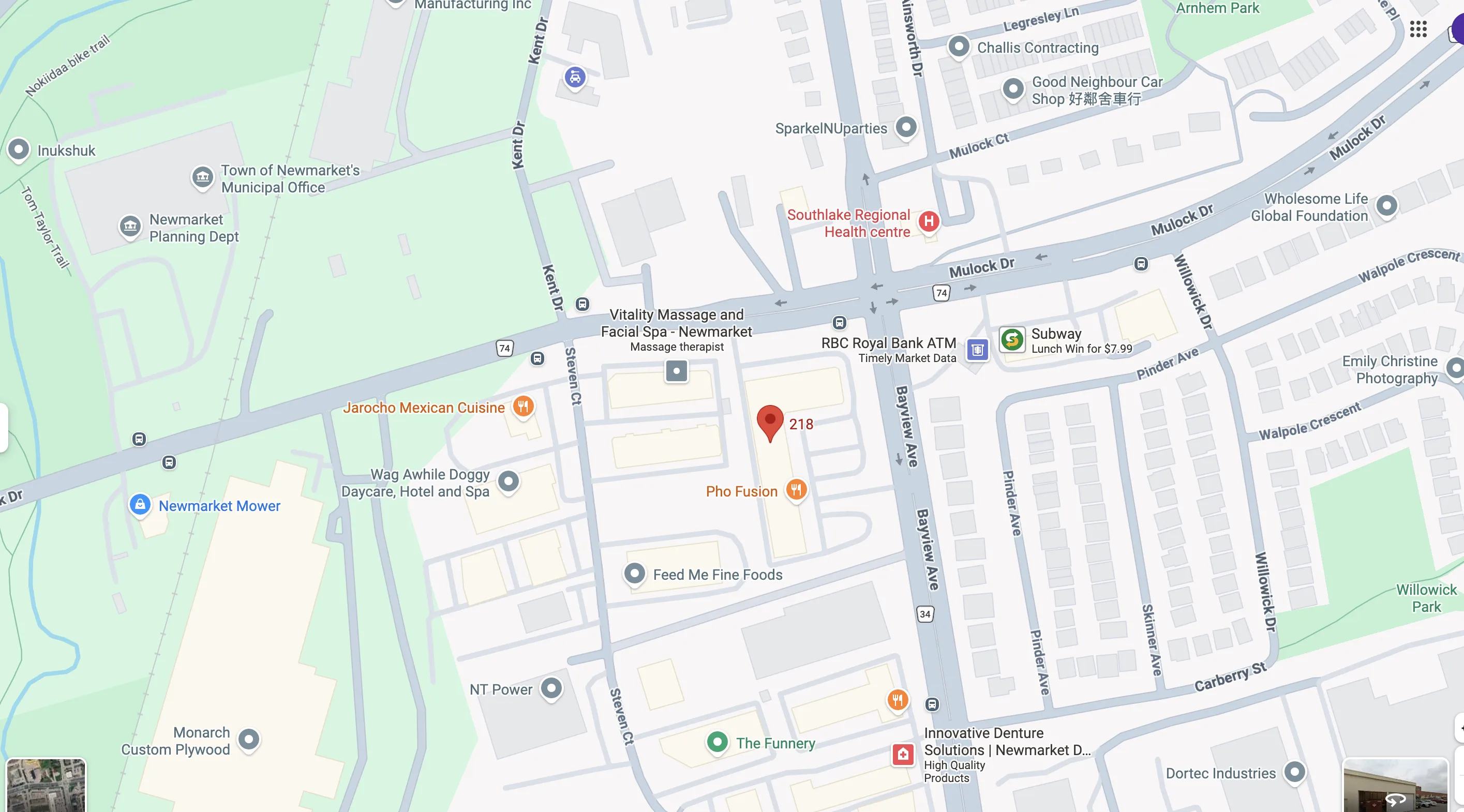
Contact Our Office
Appointments are by referral only. No walk-ins or online booking.
905-836-5561Fax: 905-853-7057
Monday–Friday, 8:00 AM – 4:00 PM
16700 Bayview Ave, Suite 218
Newmarket, Ontario L3X 1W1